
Food Therapy and Nutrition

Everything we put in our bodies is medicine. Everything we tell ourselves is medicine. How to eat, when to eat, how to prepare food and how to balance the energetics of food are just as important as what we eat and is based on each person’s constitution and present health.
Education and discussion around foods, trusting one’s own body over health fads and bringing awareness to our eating habits is significant to leading a healthy, long life.
During appointments, we can discuss which foods, medicinals, eating habits and supplements will assist with healing and protect health. Recommendations on which brands of supplements are most easily absorbed, talks about a plan for working new foods into the diet and answering questions about food and nutrition are part of our work together.
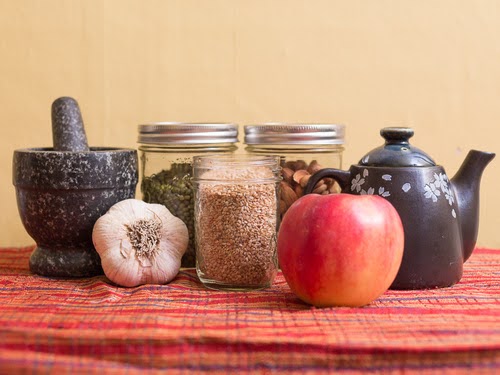
How to Plan Your Meals
Shifting how and what you eat can feel intimidating, and it can be a slow process. One of the easiest ways to ensure you have the foods you would like to be eating around and in abundance so you don’t resort to snacking on foods you are trying to avoid is to plan ahead. Take an hour once or twice a week and think about what meals you want to eat for the week and what snacks you would like to have around. Make a list of meals and the ingredients you need before you go shopping. Consult recipes if you like to do that and make sure you’ll have what you need. There are lots of resources for healthy recipe ideas, whatever you are trying to eliminate or add to your diet. It’s helpful for some people to have a chart to fill in for the week
Basic Rules on Shopping for Healthy Food
The fewer ingredients the better. Preservatives, additives and processed ingredients with long names are difficult for the body to digest and have other negative health impacts. The more complicated (and numerous) the ingredients, the more work your body has to do to break them down. Ingredients are listed in order of how much the product contains. This is how companies get sneaky, including sugar by several names so they can be further down on the list. In general, the top three ingredients make up most of what you are eating. If you don’t recognize the name of something, it might be a tricky way the manufacturer is covering up for inclusion of something highly processed, sugary or just bad for you.
Whole, fresh foods grown in the same climate as the eater are always the best. Pesticide free and organic foods are less toxic for the body and the planet.
Many prepared and preserved foods contain high amounts of sugar because it is addictive and food companies know it. Click here to read more about sugar, substitutes for it, and nine reasons to avoid it .
Hormone and antibiotic-free meat! Farmers markets, local butcheries, small farms and natural food stores offer alternative meats. Americans consume more meat than they should on average, so if you can imagine eating less meat but making sure it is good quality, the price difference is not as significant. Plus, it is fresher, tastes better and generally involves better conditions for the animals. People don’t need hormones from the animals they eat to throw off their own delicate hormone balance! And this way you support farms that choose not to inject hormones and antibiotics into their animals, which inevitably get into our soil and water. Grass-fed beef and other red meat is far preferable as grain-fed animalsare often raised on GMO corn and soy, proven to cause health problems in humans.
An important note: A lot of healthy, organic, free-range, local food is expensive. It doesn’t feel logical that foods involving less processing that travel a shorter distance cost more money, but it is the current reality. Fortunately, most farmers’ markets and natural food stores accept food stamps. Grains, nuts and seeds in the bulk section of the grocery store can be cheaper and small amounts can be purchased. Eating with the seasons means eating foods that are often cheaper because of their abundance. You can use the scraps of meat and veggies that cannot be eaten to make great tasting stocks and soups. Cutting back on sugary foods means buying less of the foods you don’t need to be healthy, so you can spend money on the ones you do. Still, there is no question that cooking and eating well is a privilege.
Books
Digestive Health:
The Paleo Cure, Chris Kresser
Gut and Psychology Syndrome: Natural Treatment for Autism, Dyspraxia, ADD, Dyslexia, Depression, Schizophrenia by Dr. Natasha Campbell-McBride (also has recipes)
Digestive Wellness, Liz Lipsky fourth addition.
Healing with Whole Foods, Paul Pitchford (Chinese medical principles used, recipes)
Grain Brain: The Surprising Truth about Wheat, Carbs, and Sugar–Your Brain’s Silent Killers, David Perlmutter
The Second Brain: A Groundbreaking New Understanding of Nervous Disorders of the Stomach and Intestine, Michael Gershon
Sugar Blues, William Dufty
Healing Spices: How to Use 50 Everyday and Exotic Spices to Boost Health and Beat Disease by Bharat B. Aggarwal, PhD
Cook Books:
Good for Your Gut, Desiree Nielsen
Nourishing Traditions, Sally Fallon
Longevity: The Tao of Eating and Healing, Aileen Yaoh
Wild Fermentation and The Art of Fermentation, Sandor Katz
A Spoonful of Ginger, Nina Simonds
Ancient Wisdom, Modern Kitchen, Yuan Wang
A Tradition of Soup, Teresa M. Chen
Chinese Medicine:
The Tao of Healthy Eating, by Bob Flaws
The Web that Has No Weaver, by Ted Kaptchuk
Wood Becomes Water: Chinese Medicine in Everyday Life, by Gail Reichstein
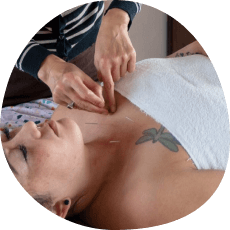
Going to Twelve Rivers was my first time doing acupuncture, and I was super nervous at first, but Gillian made me feel absolutely at peace and now it’s one of my favorite times of the month. I always feel totally taken care of, especially because I know Gillian is thinking about my individual needs and holistic treatment.
Simple Recipes
Finding the time to cook and eat well is a challenge. It can feel expensive and overwhelming. Meal planning is an excellent way to include new recipes and foods into your life. Here are simple, healthy recipes I’ve used for years that are delicious and easy to make. Food as medicine!
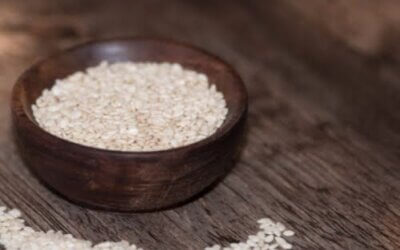
Gomasio
Gomasio is a perfect winter food because it contains two ingredients that resonate very much with the Water element and the Kidneys. And those are the only ingredients!
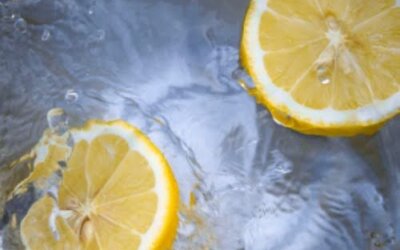
Lemon Water
This simple recipe is a tonic that embodies the sour flavor of the wood element. Lemon water has a number of health benefits and contains only two ingredients, good quality water and the juice from fresh squeezed lemons.
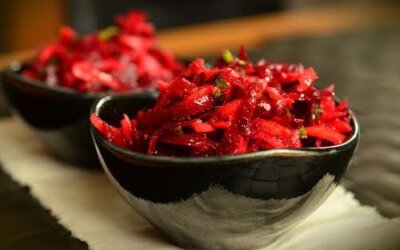
Beet, Cabbage and Carrot Salad
Beets are wonderful for strengthening the Heart and the blood. They can even sedate the emotions of fire out of balance like anxiety, nervousness and agitation. They are literally grounding. Beets improve circulation, purify the blood, benefit the liver and relieve fluid-deficient constipation and vascular congestion. With carrots, they can regulate hormones during menopause.
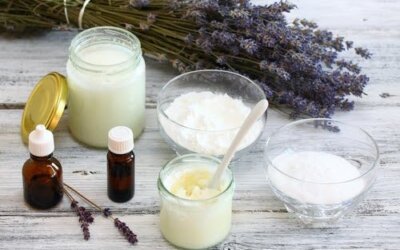
Coconut Oil Deodorant
While we may think of the brain as the director of our lives, in Chinese medicine the heart is considered the benevolent leader, the true self, and it houses the shen, or spirit. The first acupuncture point on the heart channel is located deep in the armpit and the channel then traces the inner line of the arm down from the armpit to the tip of the pinky finger.
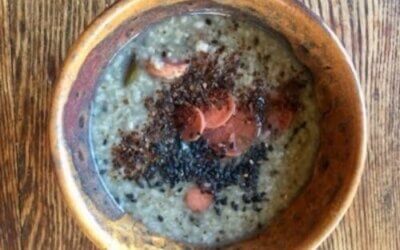
Congee
Congee is a staple food in Chinese culture, mostly consumed for breakfast, and I love it for its simplicity and versatility. You can make it with any grain, you can add anything to it. It can be bland or flavorful, sweet or savory. The only rules are to cook it for a long time, giving it the ability to break down and become porridge. The Chinese believe that the longer it is cooked, the more powerful it becomes.

Squash Pancakes
A simple, easy, and delicious breakfast or snack.
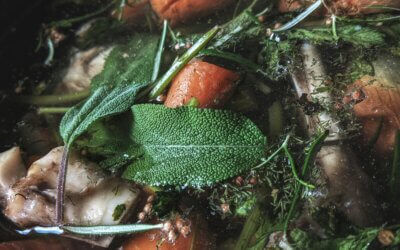
Bone Broth
Bone broth is a highly nourishing, protein and mineral rich food, excellent for building bone strength and intestinal health and rebuilding the gut lining. It is a great staple to have in the fridge or freezer for easy meals. You can sip on the broth by itself or add ingredients to make a quick soup. You can use the broth instead of water for steaming and boiling other foods (adds great flavor and nutrient value). Soup bones can be purchased from most butcheries and grocery stores and are reasonably affordable as one bone can make several gallons of broth. The marrow bones are best, where the bone has been cut so you have access to the inside of the bone.
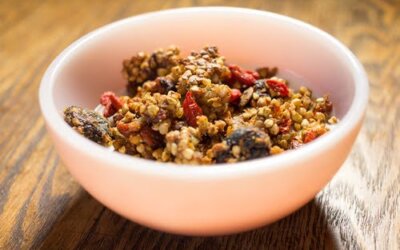
Buckwheat, Hemp Seed and Chia Seed Cereal
This is a simple alternative to carbohydrate-heavy grain cereals. Buckwheat, hemp and chia are all seeds, which provide much-needed morning protein without the heaviness and fatigue that can come on after a breakfast of oat, corn, or wheat cereals.

Sign up to get quarterly newsletters from a Chinese medical perspective